Rooflines fail quietly at first. A slipped fascia joint here, a sagging gutter run there, a soffit vent clogged with wasp nests and dust. You might only notice it after a winter of wind-driven rain or once the first mossy tide mark creeps down the brickwork. In Chelmsford and across Essex, where weather patterns swing from long dry spells to hard, slanted rain, a neglected roofline causes more damage than most homeowners realise. An upgrade, done properly, resets the protection of the house at its most vulnerable edge.
I have walked more than a few scaffold boards in the city and the surrounding villages, from Broomfield to Galleywood and across to Writtle. The same issues come up again and again: timber fascias that look fine from the pavement but crumble when you tap them, steel nails rusting through uPVC capping, gutters pitched uphill by a millimetre that quietly overflow from the back. Good roofers in Essex know the local quirks, and the team at M.W Beal & Son Roofing Contractors has built a name by fixing them without fuss or shortcuts.
What the roofline actually does
The roofline is a simple set of components with outsize importance. Fascias form the straight edge where the roof meets the wall. Soffits close off the underside, keeping birds, bats, and wind-blown debris out of the eaves. Gutters catch the rain and move it to downpipes where it can discharge safely, not down the back of your cavity insulation. Bargeboards finish the gable ends. Behind all that, a timber substructure, breathable membranes, and eaves ventilation work together to let the roof breathe while keeping water out.
On a dry August afternoon, that whole assembly feels cosmetic. On a stormy November night when the Blackwater estuary wind fights your tiles, the roofline is what stops the water from getting behind the first course of felt and soaking your rafters. Failures often start at joints, corners, and unions. Water follows those paths with determination.
The Chelmsford context
Chelmsford sits inland but not far enough to miss coastal weather. We see rapid temperature shifts, driving rain, and the occasional freeze-thaw that finds every gap in paint and sealant. Mature trees shed leaves into gutters from September to December. Housing stock ranges from 1930s semis with original timber to 1970s estates with asbestos soffits now at end of life, and modern developments with uPVC elements that were value-engineered at build, not specified for longevity.
A typical 3-bed semi here has about 18 to 24 metres of gutter run, two to four downpipes, and soffits at 300 to 450 millimetres depth. If half of that system is compromised, you will see signs inside within a season or two. Ceiling stains near external walls, damp patches at the top corners of rooms, and rotten ends where rafters meet the fascia all point back to the roofline.
Spotting problems early
The earliest signs appear at eye level. Stand back near the kerb and sight along the gutter. It should be dead straight with a gentle, consistent fall toward a downpipe. Humps, bellies, or dips telegraph loose brackets or a warped fascia. Look for streaks on the overflows side, usually staining the wall just behind the gutter. Binoculars help you check for gaps between the underside of the tiles and the fascia board, a tell that undercloak, eaves trays, or tile support has slipped.
If you can access the loft on a rainy day, that is the most honest inspection. A torch beam will show the first signs of trouble: darkening around the ends of rafters, damp patches near nail holes, or a musty smell that says ventilation has failed. These checks cost nothing and guide the next step.
Materials that actually last
Fascia and soffit upgrades come down to two main choices, and the difference matters.
- Full replacement with solid cellular uPVC boards fixed to sound timber or to new treated timber throughout. Capping over existing timber with thin uPVC cover boards.
The capping method can work if the underlying timber is clean, dry, and solid. In practice, many older homes have hidden decay. Covering does not stop rot. It traps it. You can buy time perhaps two to four years, then pay twice when the whole lot pulls away. Experienced roofers Chelmsford wide will push you toward full replacement when the timber tells them to. It costs more upfront but removes the problem at the root.
As for profiles and thickness, a 16 to 18 millimetre solid fascia is standard for structural fixing of gutters. Anything thinner, and your brackets will flex, especially with snow loads. Ventilation should not rely on soffit strip vents only. Continuous over-fascia vents combined with eaves trays are a robust pairing. They protect the felt edge, support the first course of tiles, and admit airflow at the cold point where the roof needs it most.
On gutters, modern uPVC half-round works fine for small roofs, but Chelmsford’s heavy cloudbursts argue for deepflow on long runs and for any roof with a big surface area. The difference in capacity is substantial, often 30 to 50 percent more flow, which prevents the annoying back-overs you see at internal corners.
The upgrade sequence that avoids callbacks
Changing a roofline is not just a matter of unscrewing old boards and slapping on shiny white plastic. The order and detail are what separate a tidy finish from trouble six months later.
Access comes first. On bungalows or low eaves, a secure tower can suffice. On most two-storey homes, a full scaffold run with handrails is safer and ensures the work moves quicker and cleaner. Good contractors build the cost into their quote rather than outsourcing and cutting corners with ladders.
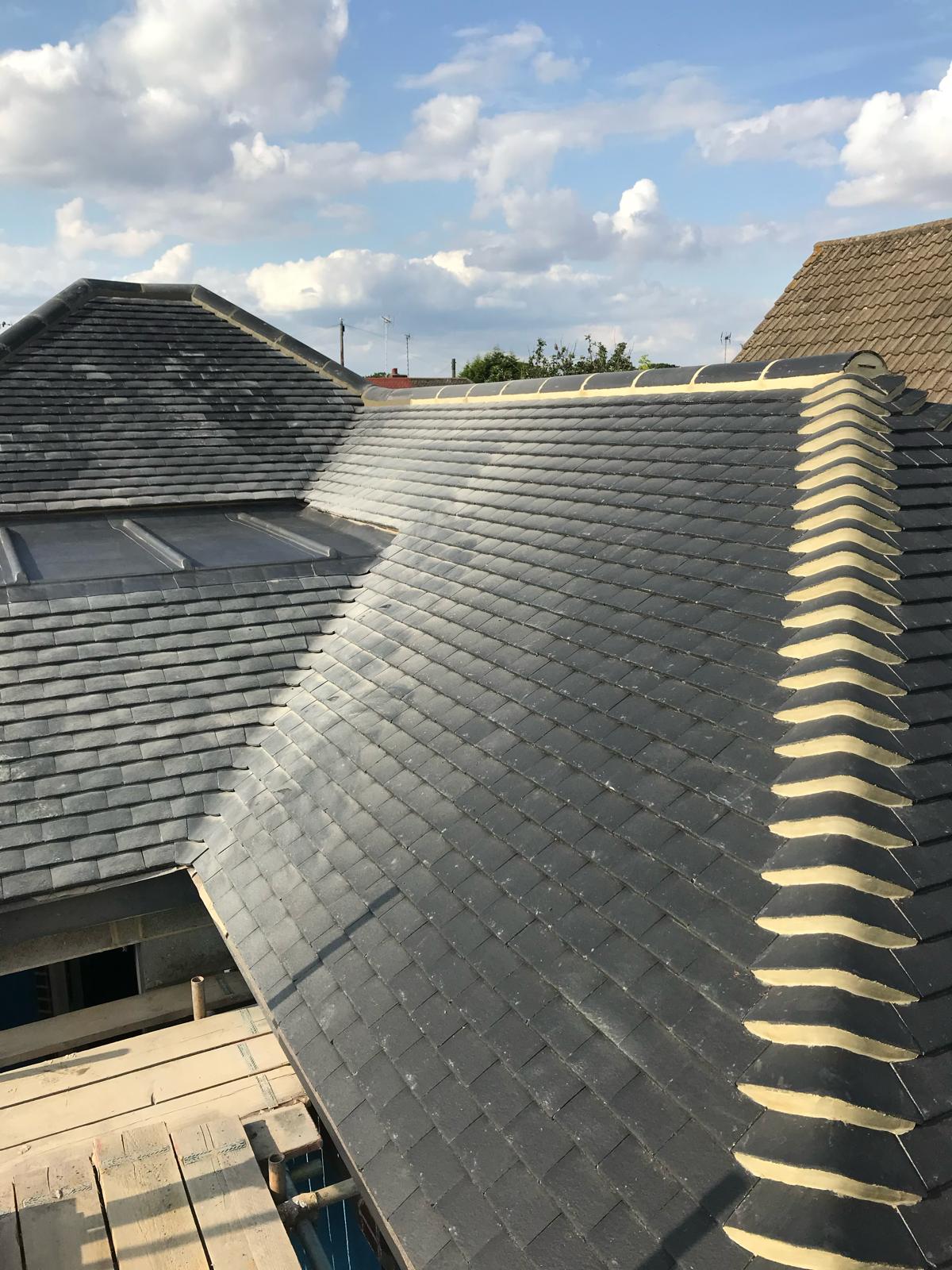
Removal should be controlled and careful. Many older soffits are asbestos cement, usually found on 60s and 70s properties. They do not crumble like insulation board but still require proper handling and disposal under the regulations. A contractor who glosses over this is one to avoid. Where asbestos is present, you either remove using trained personnel with dust suppression and proper PPE, or in some cases, encapsulate if allowed, though replacement is normally the better course.
Once stripped, the truth of the timber shows. I have seen rafters that look fine at the midspan yet crumble at the birdsmouth. If two or three rafter ends in a row have softened, you need new end plates or splices before any fascia goes on. This is where M.W Beal & Son Roofing Contractors often earn their praise. They do not flinch at the carpentry. They renew what is weak, not just what is visible.
With timber sound, eaves trays and over-fascia vents go in. These components are easy to skip if a crew is rushing. Skipping them is a false economy. The old felt at the eaves is often cracked or short, and without trays, meltwater or wind-driven rain can run back into the loft. Proper trays extend under the tiles and over the gutter line, directing water exactly where it belongs.
Fascias fix next, straight and true with stainless or coated fixings at sensible centres. Joints should be scarfed or joined with hidden plates, not butt-joined and smeared with sealant. Soffits fit snugly with allowance for expansion. Finally, gutters hang on correctly spaced brackets, usually at 600 millimetres in calm exposures and tighter where wind is severe. A gentle test with a hose proves the fall and checks the outlets and unions.
Colour, finish, and local character
Chelmsford’s conservation areas and some new-build estates impose rules on finishes. While classic white uPVC remains popular, woodgrain foils in oak, rosewood, or anthracite can suit brick tones and modern windows. The better foils carry the colour through to the edge and resist UV bleaching for a decade or more. Avoid mixing bright white with aged cream render unless you plan to recoat. The eye catches the mismatch.
Black deepflow gutters with white fascias provide a crisp, practical combination. Black hides muck better near trees. If the house has cast iron heritage gutters, replacements can be chosen in cast aluminium to keep the period look without the maintenance burden. These decisions are not about fashion. They are about how the house reads from the street and how often you will need to climb a ladder with soap and a brush.
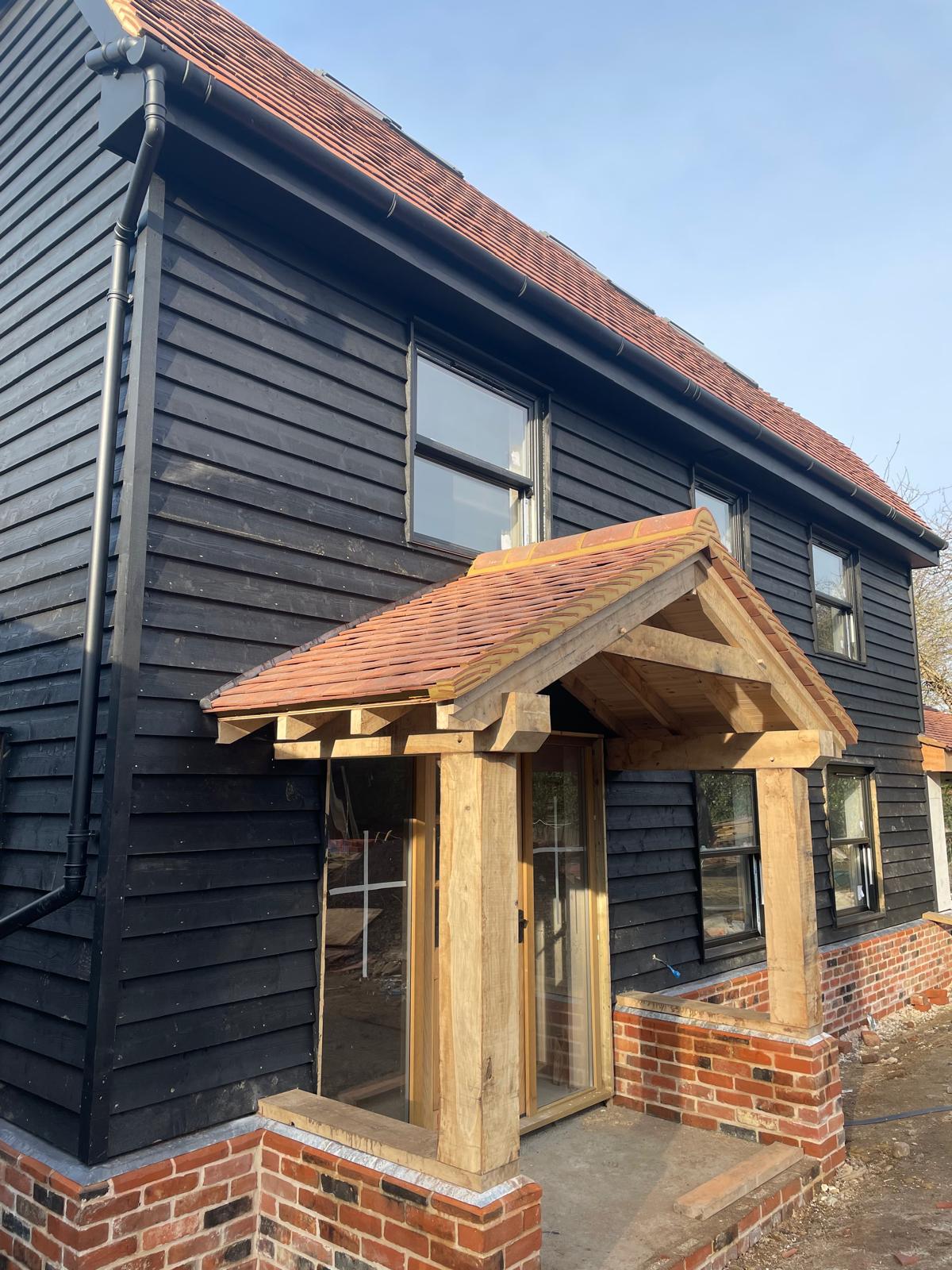
The cost picture, honestly framed
Prices vary with access, length, and complexity. For a standard semi in Chelmsford, full replacement of fascias, soffits, and gutters across the front and back often lands in the £2,000 to £3,500 range, scaffold included. Add gable ends and you push higher, especially if the gables are tall or ornate. Deep rot, asbestos removal, or bespoke details like box ends and valley returns lift the number further.
Quotes that look miraculously low usually hide something. Either the contractor plans to cap rather than replace, intends to reuse old gutters, or has not included scaffolding. Ask to see the breakdown. The reputable roofers in Essex are open about access costs, waste disposal, and the line items for eaves components that most people never see but absolutely need.
The mistakes that breed leaks
You can learn a lot walking beneath poor work. I carry a small notebook of recurring errors, not to gloat, but to remind crews what matters.
Improper fall is the most common. If a gutter run falls toward the wrong side by even a few millimetres across five metres, it will hold standing water. That water breeds algae and will find the tiniest pinhole in a union over time.
Missing expansion allowance shows up a year later when a heatwave bows long soffit runs. Manufacturers specify expansion gaps at joints and corners. Ignore them, and everything creaks, cracks, and opens.
Over-reliance on silicone is the dead giveaway of rushed work. Sealant has its place at corner caps and certain joints, but it should never carry structural load or bond dissimilar materials under tension. Plastic moves. Silicone cannot hold it together for long.
Ventilation shortfalls are subtler. An attic that smells like old books has trapped moisture. In winter, that moisture condenses on nails and felt, dripping back down as if the roof has a minor leak. The blame often lies with a roofline that cut off airflow. Over-fascia vents and soffit vents work together. You need both in most cases, matched to ridge or tile vents above.
When to combine roofline work with other upgrades
If you are planning to re-roof within the next five years, consider timing the roofline then. Dropping the first course of tiles becomes easier, felt replacement at the eaves blends seamlessly, and scaffold is shared. Conversely, if your tiles have 10 to 15 years left but the fascias are failing now, do the roofline and specify eaves trays to protect the existing felt. A good contractor will explain how the later re-roof can tie in without undoing today’s investment.
Solar panels add another layer. Gutters may need deeper capacity to deal with fast runoff. Cable routes require thought at the eaves so that soffits do not rattle with loose wires. Battery inverters often live in loft spaces that rely on good ventilation. Roofline choices affect all of this.
A day on site with a careful crew
One autumn, a house off Mildmay Road had birds nesting behind a broken soffit. The owner had patched it twice with mesh and filler. You could hear the flutter on quiet mornings. Once we removed the soffits, we found two rafters that had the consistency of stale cake at the ends, a telltale from years of minor leaks and droppings. The gutter looked straight from the pavement, yet it fell the wrong way by 5 millimetres over six metres, just enough to pond water at the middle union.
We spliced new treated timber into the rafters, installed continuous trays and vents, replaced the fascia with a 16 millimetre board, and switched the gutter to deepflow with a proper fall. A month later, after a heavy rain, the owner texted a photo of clear walls and a dry loft. No drama, no overclaim. Just the satisfaction that comes from doing the fundamentals right.
Why M.W Beal & Son Roofing Contractors stands out
Chelmsford has plenty of roofers, and picking among roofers chelmsford listings can blur together. The firms that last tend to work a little differently. M.W Beal & Son Roofing Contractors operates with a few habits that deserve attention.
They write quotes in plain language. You will see whether they propose full replacement or capping, the thickness of boards, whether eaves trays and over-fascia ventilation are included, and the type of gutters. If asbestos is suspected, they say so and outline the plan.
They schedule cleanly. Scaffold goes up one day, materials arrive early the next, and waste is cleared every day rather than piled for a week. Neighbours notice and appreciate it.
They bring a carpenter’s eye to the ends of rafters rather than treating roofline work as a plastic-only job. That shows in straight lines, true corners, and gutters that never chatter in the wind.
And they back up small issues without quibbling. If a union weeps in the first hard freeze, they pop back, adjust the bracket spacing, and swap the rubber if needed. Very few materials are genuinely faulty. Most problems are solved in 15 minutes by someone who cares.
Maintenance that keeps new rooflines new
A roofline upgrade is not a set-and-forget decision. It dramatically reduces upkeep, but it still wants a little attention.
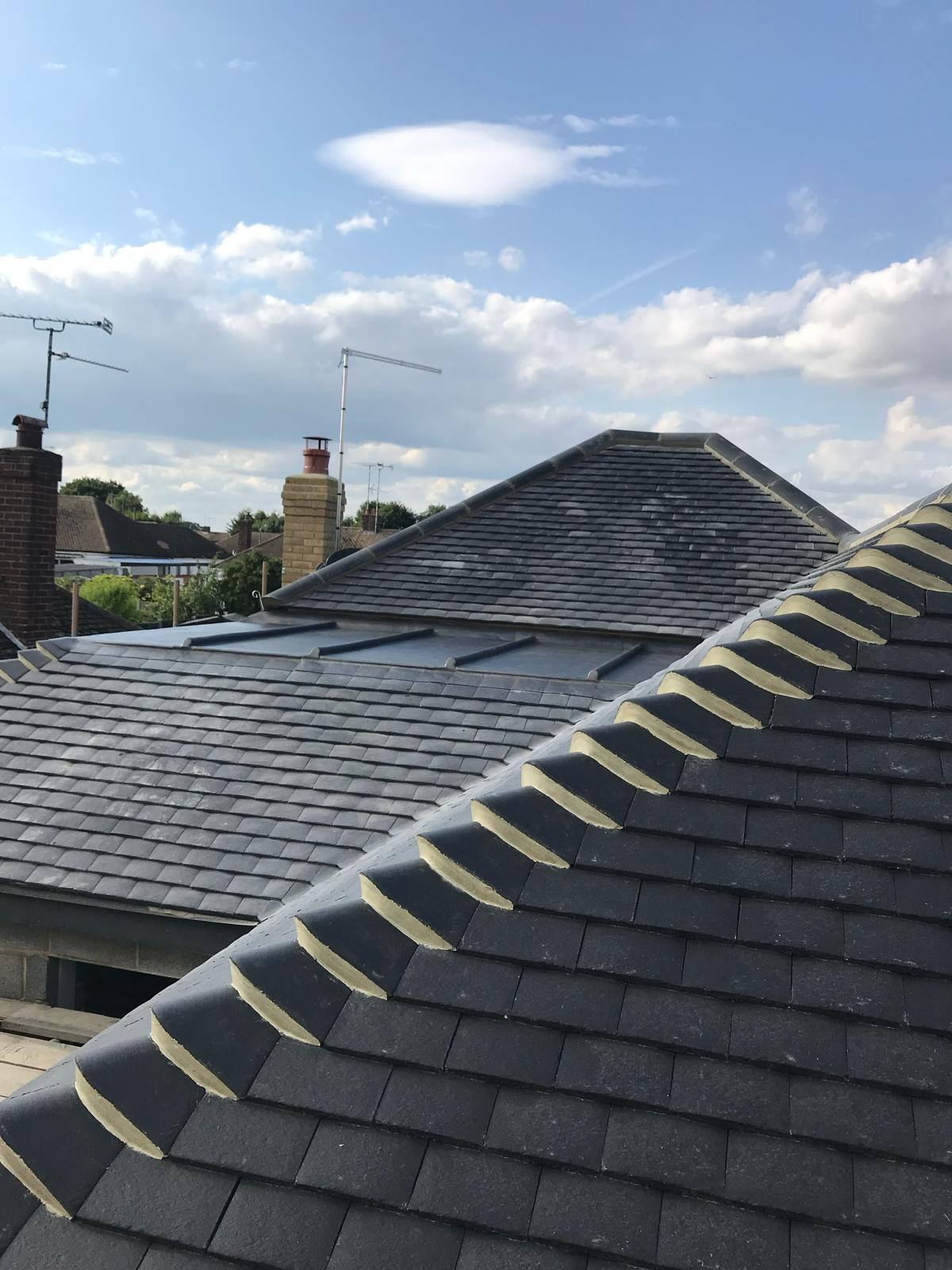
Use a soft brush on gutters every autumn if you have trees nearby. Leaf guards help, but they do not eliminate the need to clear twigs and seeds. Wipe soffit vents if you see cobweb build-up. Every two to three years, wash fascias and gutters with warm, mild detergent. Avoid pressure washers at the eaves edge. They can drive water behind joints or disturb undercloak.
If you hear a tick-tick from the gutter during wind, it is usually a bracket talking. A quick tweak to spacing or an extra bracket at a join stops it. Watch for stains on the wall directly below gutter joints after storms. Catching a minor leak early costs almost nothing to fix.
The value case beyond cosmetics
Homeowners often frame roofline work as a cosmetic refresh. White lines against brick do lift a house, but the dividend is structural. Rafters last longer when they are dry. Cavity insulation stays effective when water never reaches it. Render and pointing live longer when downpipes discharge away from walls, not at the base of a corner. If you plan to sell within a few years, a clean, straight roofline reassures buyers that the house has not been patched to death. Surveyors notice it as well, MW Beal & Son Roofing Contractors and the words “recent uPVC fascia and soffit replacement with ventilation” read well in a report.
For landlords, it is a low-drama upgrade that keeps tenants from calling at midnight about leaks over the back door. For families, it is one of those quiet investments that vanish into the background of daily life, doing their job with no applause.
Practical selection checklist
Choosing among roofers in Essex is easier if you filter on process, not just price.
- Ask whether the quote includes eaves protection trays and over-fascia vents, not just new boards and gutters. Confirm scaffold is included and who is responsible for it. Request details on fascia thickness, gutter profile, and bracket spacing. Discuss how asbestos will be handled if present, with disposal documentation. Agree on waste removal, daily tidiness, and a reasonable timeframe for completion.
Five questions, asked plainly, tell you most of what you need to know. A contractor who answers without hedging is a safer bet than the one who dazzles with a bargain.
When to call, when to wait
Some jobs cannot wait. Water running behind the gutter is urgent. Damp inside the loft, especially near electrics, is urgent. Rotten fascia that can no longer hold gutter brackets is urgent. Cosmetic staining on soffits, a faded finish, or a single leaky union can wait a season if budgets are tight. If you schedule in late winter or early spring, crews are often more available than in peak summer, and you avoid racing the autumn leaf fall.
A quiet craft
Roofline work will never trend. It is unglamorous and repetitive. Yet in the rhythm of a working day on a scaffold edge, you find small satisfactions. A fascia run that hits level within a few millimetres from corner to corner. A mitred soffit return that meets tight with a shadow line that looks right at dusk. A gutter test where the water curves obediently toward the outlet without a ripple. These are the craftsman’s rewards, modest and reliable.
If you live in Chelmsford or nearby and your eaves have started to tell stories you do not like, bring in a contractor who respects those details. M.W Beal & Son Roofing Contractors has earned their place among dependable roofers chelmsford residents return to. Ask them to walk the perimeter with you. Let them tap the timber and show you what is sound and what is not. When a roofline is done right, you stop thinking about it. The rain comes, runs where it should, and your house stays just as it ought to be, dry and comfortable, season after season.